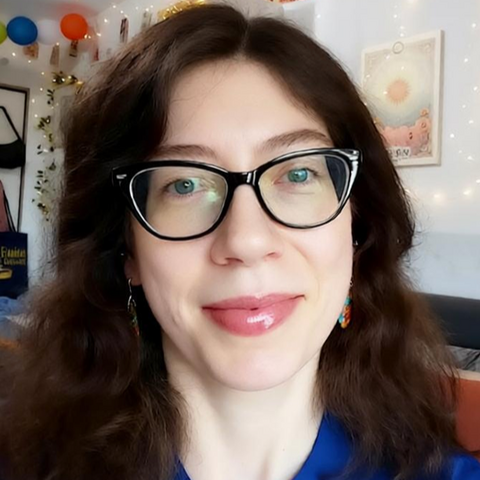
Kate LaDew
North Carolina based Poet, Short Story Writer, Amateur Historian
Poetry as purpose, timestamped, referenceable,
a cosmic almanac of history, erasure,
and the sudden collisions of being alive.
POETRY
What It Feels Like To Be Run Over (MM/DD/YYYY)
"an avant-garde triumph... a visceral archive of the bodies, voices, and species flattened by the heavy machinery of history."
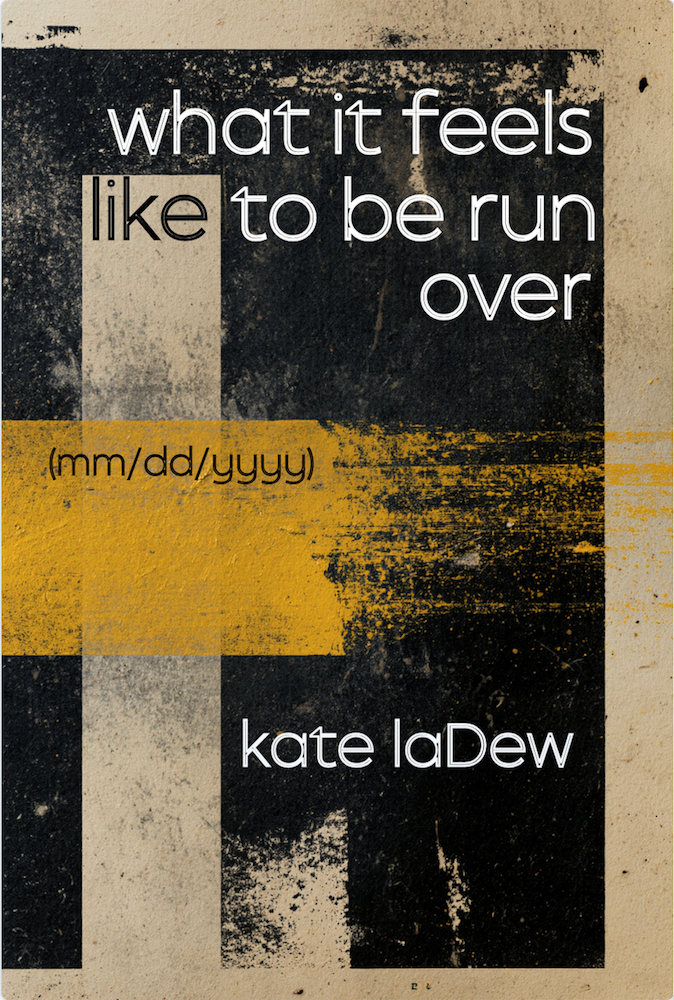
"In what it feels like to be run over, Kate LaDew resets the metrics of what contemporary poetry can do. Structured as a fractured near-almanac of forty specific dates, this collection documents the people, events, and personal histories that have been marginalized or lost across generations.LaDew’s lens juxtaposes the mythos of the Kennedy wedding with the uncredited brilliance of Black fashion designer Ann Lowe; traces the tragic extinction of the Great Auk; stands with Joan of Arc on the pyre; and captures the creeping terrors of the 2020 lockdowns. Written in a singular vernacular that throws traditional formatting out the window, what it feels like to be run over is for anyone who has ever felt the heavy weight of the world, offering a reminder that you are not alone on the tracks."- from the Publisher
the film

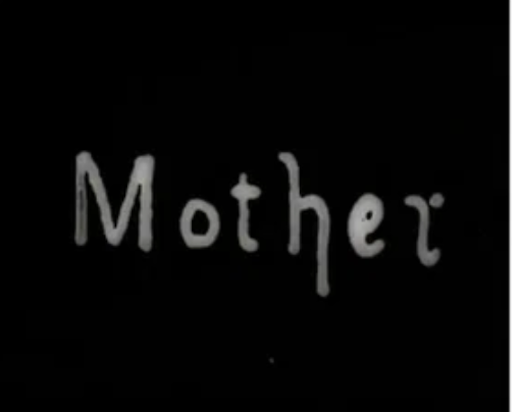
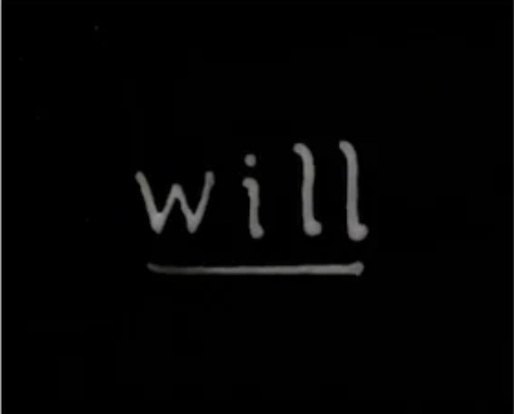
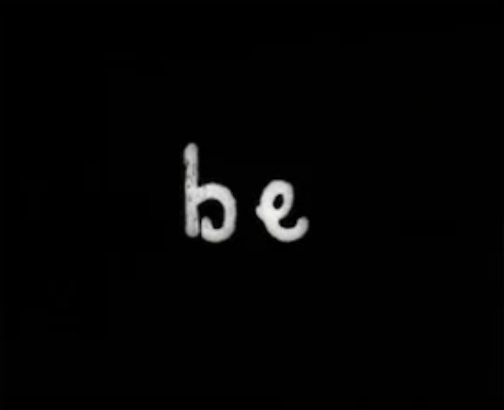
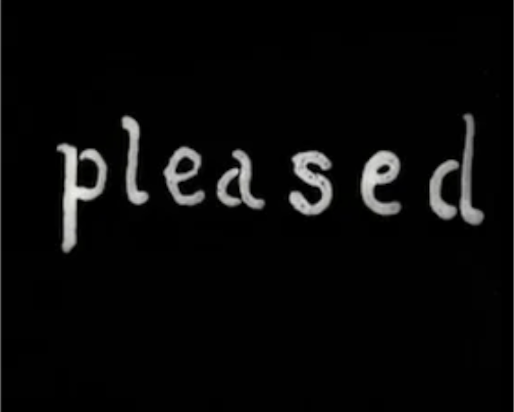
Cecil Hepworth's 1900 silent film, How It Feels to Be Run Over, features one of cinema's earliest uses of text. After the car's collision with the viewer, 'Mother will be pleased' flashes across the screen, adding a touch of humor. This visual timestamp inspired the fractured, non-linear structure of the collection.
(0)in 1900 a director made a short film titled
what it feels like to be run over
a horse and buggy canter past the camera
you, the viewer, wait for it to veer
and it does, away from you
suddenly, a car with a man and a woman in too many clothes
barrels straight into the camera and, consequently, into you
if you have never actually been run over
you can't feel the destruction to your body
a be-hatted man and woman and their car running over you would cause
you can only guess, but that is not the point
the horse and buggy were supposed to get you
something you could clock and wait on
not a thing in your periphery, just invented,
and you're flattened, out of nowhere
and that is it, that is precisely what it feels like to be run over
knowing some day you will die and the surprise that it is today
About the Author
Kate LaDew is a poet, fiction writer, and visual artist with a BA in Studio Arts. Her work explores women's histories, civil rights, and underrepresented historical figures. LaDew lives in Graham, North Carolina, with her cats, James Cagney and Janis Joplin. Her personal reading and research spans archival fiction, history, documenting old cemeteries, sketching and origami. Her poetry and prose has appeared in journals such as EVENT, The Maynard, Sonic Boom, and Under a Warm Green Linden. Her debut collection, what it feels like to be run over (mm/dd/yyyy), is published by the Westbrae Literary Group.
Contact
For inquiries regarding what it feels like to be run over(mm/dd/yyyy),
review copies, or readings, contact the author directly at
[email protected]You can also connect with the publisher at Westbrae Literary Group.